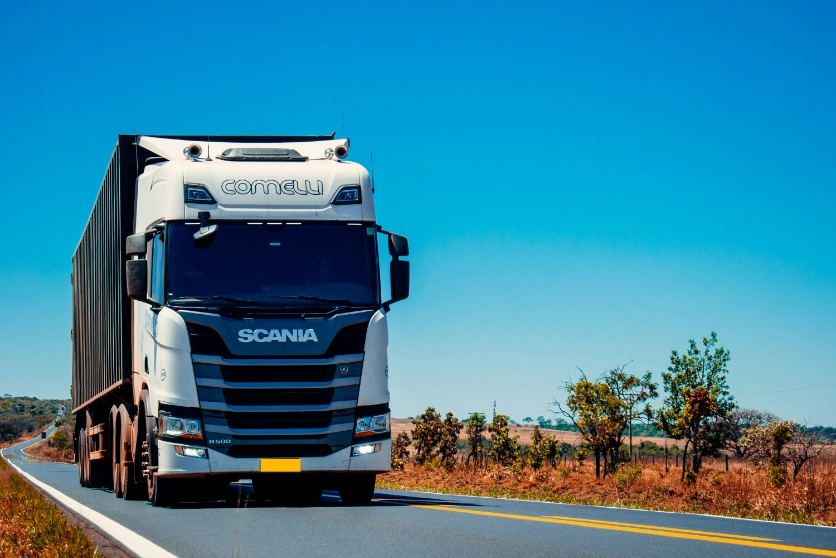
Inland Cargo Transportation
Coordinate road movement for cargo between agreed collection points and destinations according to the shipment's transportation requirements.
Inland Transportation
Coordinated road transportation and inland cargo movement to help connect relevant logistics points, ports, collection locations and final destinations. We help businesses plan transport arrangements in line with their shipment and delivery requirements.
Inland Transportation Overview
Inland transportation is an important part of the logistics process, supporting the movement of cargo between ports, warehouses, business premises and other relevant destinations.
Coordinating road transport requires an understanding of the cargo, collection and delivery points, intended schedule and any handling or access requirements that may affect the journey. These details help establish suitable transport arrangements.
Swiftwins Carriers & Forwarders LTD includes inland transportation within its logistics service offering. Transport arrangements can be discussed in relation to the wider shipment, including freight forwarding and customs clearing where relevant.
Service Components
Transport requirements vary by shipment. The following components outline the main areas that may need to be coordinated.
Coordinate road movement for cargo between agreed collection points and destinations according to the shipment's transportation requirements.
Plan the inland movement of cargo from a relevant port or logistics point to the intended destination, where required as part of the shipment.
Coordinate collection and delivery details, including the relevant locations, access considerations and requested delivery timeframe.
Consider the inland movement requirements within Kenya and coordinate transport arrangements in line with the cargo's route and destination.
Review shipment details, route requirements, cargo characteristics and delivery expectations when planning the relevant transport arrangements.
Identify how inland transportation may fit into a wider shipment involving freight forwarding, customs clearing, container shipping or warehousing.
Transport Process
Clear shipment information helps establish the transport requirements and identify the arrangements needed for cargo movement.
Share the cargo description, quantity, dimensions or weight where available, together with any handling considerations.
Identify the collection location, destination and any intermediate logistics points relevant to the shipment.
Discuss the type of cargo, route, requested timeframe and any special access or handling requirements that may affect the transport arrangements.
Establish the relevant transport arrangements based on the shipment details and the agreed logistics requirements.
Where applicable, consider how collection, delivery and inland movement fit into the wider freight or shipping plan.
Review the planned collection and delivery details, timing expectations and other agreed requirements before the transport arrangements proceed.
Transport Requirements
Road cargo movement can support a range of commercial logistics needs. The appropriate transport arrangements depend on the shipment and its specific requirements.
Businesses coordinating cargo movement between ports, warehouses and their intended collection or delivery points.
Businesses moving raw materials, production inputs and finished goods between relevant locations.
Businesses arranging domestic movement of stock and merchandise to distribution or delivery locations.
Businesses coordinating the transport of goods between storage facilities, suppliers and intended destinations.
Businesses planning the movement of suitable materials and supplies to project or storage locations.
Businesses arranging road transport for suitable agricultural goods and related commercial cargo, subject to handling needs.
Frequently Asked Questions
Find out what information helps when arranging domestic cargo movement and coordinating road transportation.
Inland transportation refers to moving cargo within a country, commonly by road, between locations such as ports, warehouses, business premises and final destinations.
Yes. Inland transportation may form part of an import shipment when cargo needs to move from a port or other logistics point to its intended destination. The required arrangements depend on the shipment.
Provide the cargo description, quantity, dimensions or weight where available, collection point, destination, preferred timeframe and any special handling or access requirements.
Domestic cargo transport requirements can be discussed based on the origin, destination, cargo characteristics and requested schedule. Confirm the specific route and arrangements with Swiftwins before making shipment plans.
Inland transportation and customs clearing may be related parts of an import or export logistics plan. The required services depend on the shipment and should be confirmed when discussing your cargo requirements.
Contact Swiftwins Carriers & Forwarders LTD with your cargo details, collection location, destination and expected timeframe. The transport requirements can then be discussed based on the information provided.