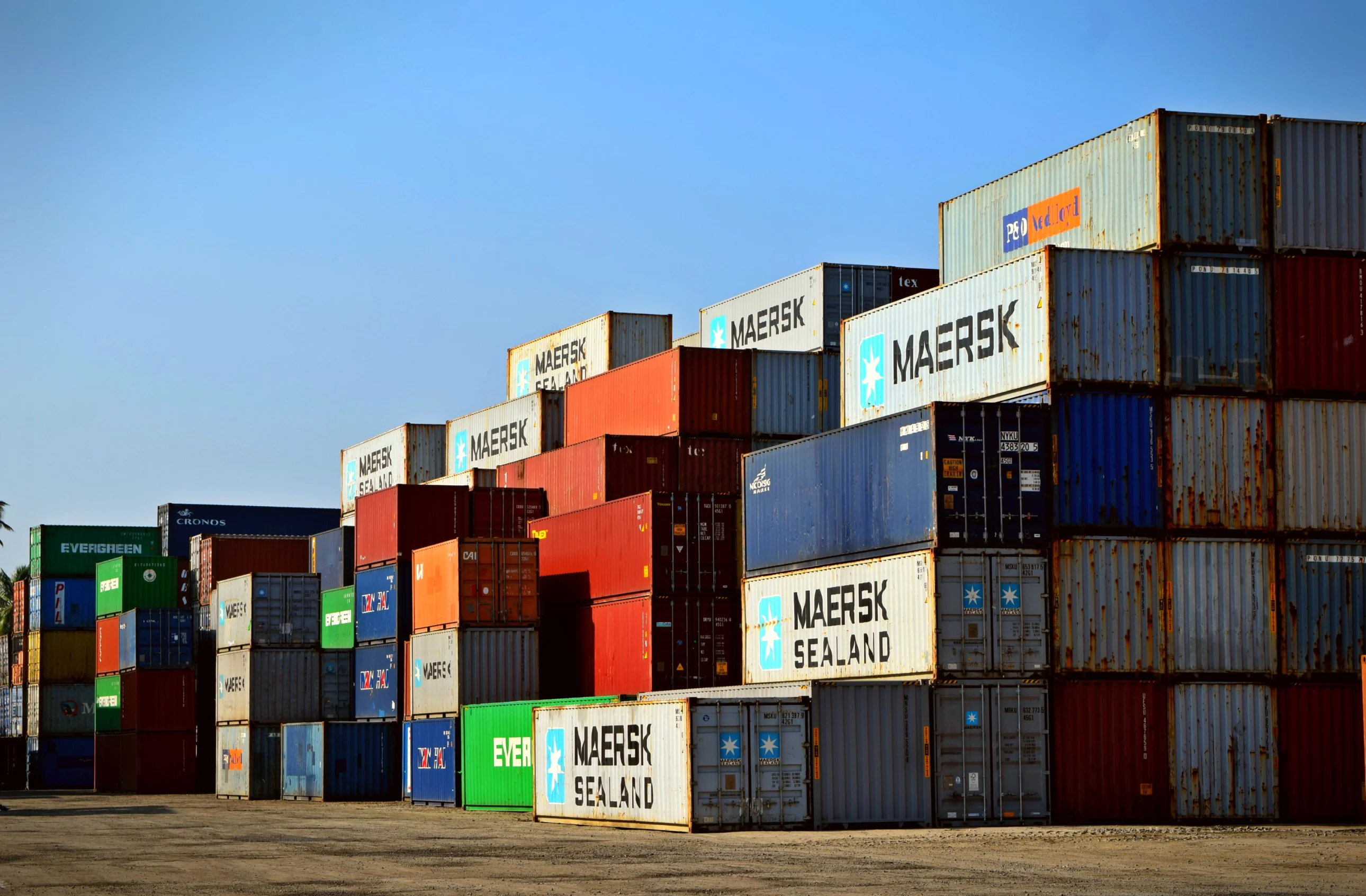
Full Container Shipment Coordination
Coordinate shipment requirements for cargo intended to occupy a full container, taking account of the consignment and its intended destination.
Full Container Load Shipping
Coordinated container shipping solutions for importers and exporters whose cargo requirements call for a full shipping container. We help coordinate container bookings, shipment planning, documentation and related transport arrangements.
FCL Shipping Overview
Full Container Load (FCL) shipping is suitable for shipments that require the use of a full container rather than sharing container space with cargo from other shippers.
Effective FCL coordination involves planning the shipment, coordinating container bookings, preparing the relevant shipping documentation and arranging the movement of cargo in line with the agreed shipping requirements.
Swiftwins Carriers & Forwarders LTD provides FCL shipping coordination as part of its freight and logistics service offering. The appropriate arrangements depend on the cargo, origin, destination and individual shipment requirements.
Service Components
The following components describe the key areas involved in coordinating full container shipments, depending on the needs of each consignment.
Coordinate shipment requirements for cargo intended to occupy a full container, taking account of the consignment and its intended destination.
Coordinate container booking arrangements in line with the shipment details, cargo requirements and planned shipping schedule.
Establish the main shipment requirements, including cargo details, origin, destination and the transport arrangements needed for the consignment.
Coordinate relevant container movement and transport arrangements according to the shipment's route and agreed logistics requirements.
Coordinate the shipping documentation requirements relevant to the consignment, subject to the cargo type, route and applicable procedures.
Identify related freight forwarding, customs clearing and inland transportation requirements that may form part of the overall shipment.
Shipment Process
A structured approach helps clarify shipment requirements and identify the arrangements needed before cargo moves.
Provide the cargo description, approximate quantity or volume, origin, destination and intended shipping timeframe.
Discuss the cargo requirements and determine the appropriate container and shipment arrangements for the consignment.
Address the container booking requirements and planned shipping schedule based on the agreed shipment details.
Identify and coordinate the relevant shipping documents required for the cargo and its intended route.
Arrange the relevant transport coordination according to the shipment plan and agreed logistics requirements.
Review whether customs clearing, inland transportation or other related services are required for the consignment.
Cargo Requirements
Full container shipping may be considered by businesses moving larger consignments or cargo that requires dedicated container space. Suitability depends on the shipment.
Businesses transporting raw materials, components or finished goods in larger consignments.
Importers and distributors coordinating the movement of substantial quantities of merchandise.
Businesses arranging container shipments of packaged goods, stock and retail merchandise.
Businesses shipping suitable agricultural products and related goods, subject to cargo handling and transport needs.
Businesses coordinating the shipment of suitable construction materials, fittings and equipment.
Businesses requiring full-container arrangements for international cargo movements.
Frequently Asked Questions
Learn more about full container load shipping and the information needed to plan a shipment.
FCL shipping is a container shipping arrangement in which a shipment uses a full container rather than sharing container space with other shippers' cargo.
FCL may be suitable when your shipment requires a full container or when dedicated container space better fits your cargo and logistics requirements. The appropriate option depends on the shipment.
Useful details include the cargo description, quantity or volume, origin, destination, expected shipping timeframe and any known handling or documentation requirements.
FCL is used for both import and export shipments. The applicable documentation and transport arrangements depend on the origin, destination, cargo and relevant procedures.
FCL uses a full container for a shipment, while Less Container Load (LCL) involves sharing container space with cargo from other shippers. The suitable option depends on shipment size, requirements and cost considerations.
Customs clearing and inland transportation may be relevant to an FCL shipment. Discuss your route and cargo requirements with Swiftwins to establish the services and arrangements needed for your consignment.