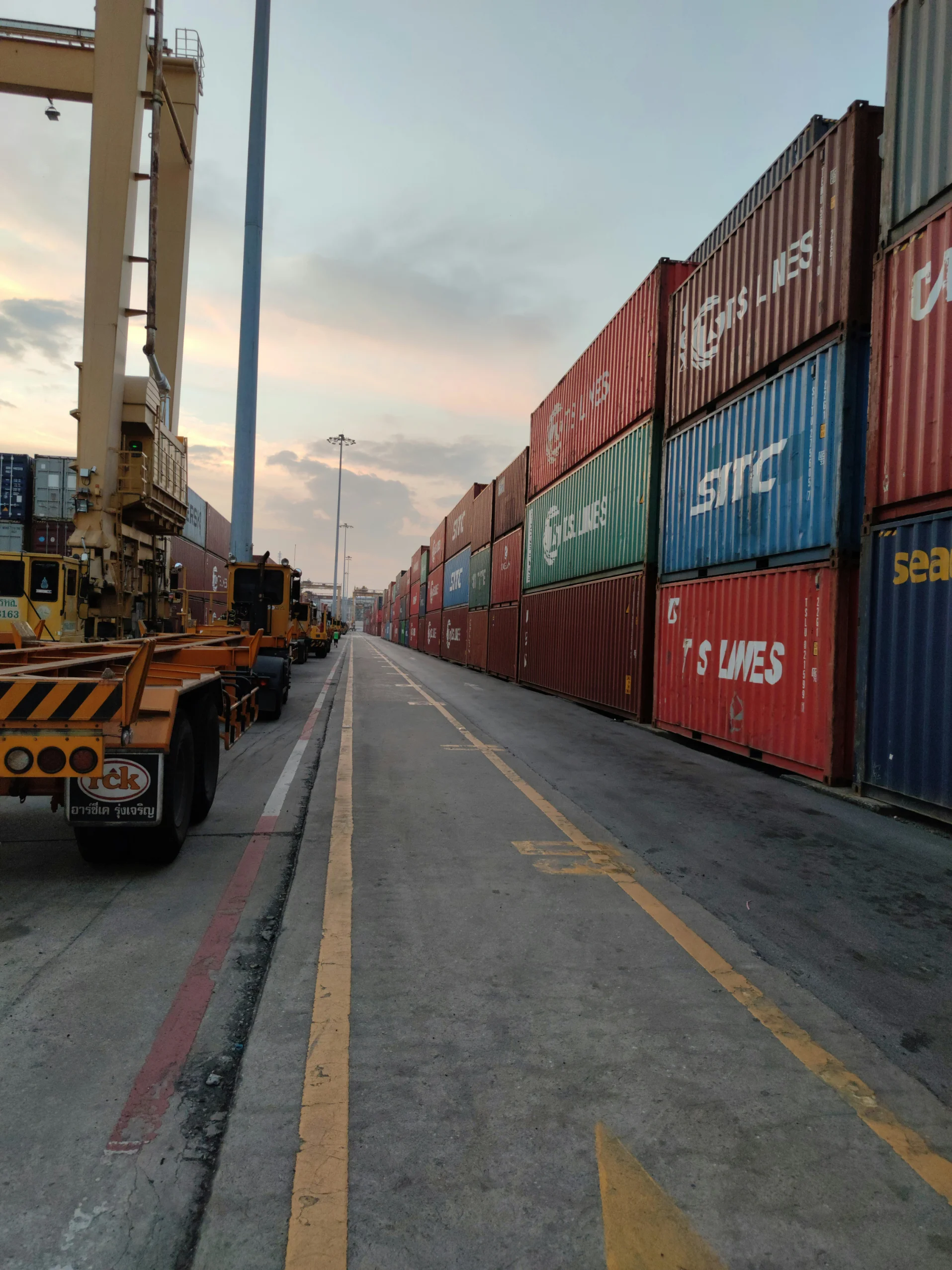
CUSTOMS CLEARING SERVICES IN KENYA

Customs Clearing Services in Kenya

Coordinate the documentation and procedures involved in moving import and export cargo through customs processes in Kenya.

SERVICE OVERVIEW

Customs Clearing Support for Your Supply Chain

Practical coordination shaped around the requirements of each shipment.

Customs clearing involves preparing, organising and coordinating the information and documentation required for goods to enter or leave a country. Requirements vary according to the cargo, its origin or destination, customs classification, value, and any permits or controls that may apply.

Swiftwins Carriers and Forwarders LTD supports customers with customs-clearance coordination for import and export shipments. We help clarify the information required for a shipment, organise relevant paperwork and coordinate communication around the clearance process. Customs assessments, inspections and release decisions remain with the relevant authorities and depend on the applicable requirements.

SERVICE SCOPE

What This Service Can Involve

The following areas outline common coordination considerations. The final scope is confirmed against your cargo, route and agreed requirements.

Import documentation coordination

Organise available commercial invoices, packing lists, transport documents and other shipment information needed to begin reviewing import-clearance requirements.

Export clearance coordination

Coordinate the shipment information and supporting documents associated with outbound cargo, taking account of the destination and the nature of the goods.

Customs declaration information

Help gather consistent cargo descriptions, quantities, values, origin details and other information used in preparing customs declarations.

Permits and supporting documents

Identify where additional permits, certificates or regulatory documents may be relevant, subject to the goods and the rules that apply.

Inspection and assessment coordination

Support communication and document follow-up where customs or other competent authorities require further information, assessment or inspection.

Duty and tax information coordination

Help customers organise shipment details needed for applicable duty and tax assessment. Final assessments and payments depend on official determinations.

Clearance status communication

Keep the customer informed of known document requests and process updates shared with the team, without promising release times outside its control.

HOW IT WORKS

A Clearer Process from Enquiry to Next Steps

Each shipment is different. These stages provide a practical starting point for discussing responsibilities, information and logistics handovers.

  1. Understand the shipment

    Review the cargo type, origin or destination, transport details and the customer’s intended movement.

  2. Collect available documents

    Gather commercial and transport paperwork and identify information that may still be required.

  3. Review requirements

    Consider the shipment details against the relevant clearance process and flag questions or supporting documents to confirm.

  4. Coordinate submission

    Coordinate the required information and related communication for the applicable customs procedures.

  5. Follow up on requests

    Help relay additional information requests and coordinate the customer’s response where further checks are required.

  6. Confirm next logistics step

    Once the applicable clearance stage is completed, coordinate with the customer on onward transport or other related logistics needs.

INDUSTRY CONTEXT

Industries and Cargo Types to Consider

These are examples of sectors whose cargo may have related logistics requirements. They are not claims of specific client relationships or confirmation that every service is suitable for every cargo type.

Agriculture and Agribusiness

Agricultural inputs, machinery, packaged produce and related supplies may involve specific cargo-handling, documentation or product-control requirements. For customs clearing, the exact arrangement depends on the cargo, route and confirmed requirements.

Manufacturing and Industrial Production

Components, raw materials, production equipment and finished products can require coordinated inbound supply and outbound distribution. For customs clearing, the exact arrangement depends on the cargo, route and confirmed requirements.

Construction and Building Materials

Building supplies and project materials may need delivery planning around site access, unloading space and construction schedules. For customs clearing, the exact arrangement depends on the cargo, route and confirmed requirements.

Automotive and Vehicle Parts

Vehicle parts and automotive-related goods require clear cargo descriptions, suitable packaging and shipment information that matches the consignment. For customs clearing, the exact arrangement depends on the cargo, route and confirmed requirements.

Energy and Power Infrastructure

Electrical components and energy-sector equipment may require careful specification, handling and coordination with project delivery timelines. For customs clearing, the exact arrangement depends on the cargo, route and confirmed requirements.

Retail, Wholesale and Consumer Goods

Commercial stock often depends on dependable shipment information, inventory coordination and onward movement to warehouses or distribution points. For customs clearing, the exact arrangement depends on the cargo, route and confirmed requirements.

Pharmaceuticals and Healthcare Supplies

Healthcare-related cargo may be subject to product-specific documentation, handling, storage or regulatory requirements that must be confirmed. For customs clearing, the exact arrangement depends on the cargo, route and confirmed requirements.

Electronics and Electrical Equipment

Sensitive or high-value equipment may need suitable packaging, careful handling and clear shipment references throughout the movement. For customs clearing, the exact arrangement depends on the cargo, route and confirmed requirements.

Mining and Mineral-Related Equipment

Mining machinery, replacement parts and related supplies may involve heavy loads, industrial handling and delivery to operational sites. For customs clearing, the exact arrangement depends on the cargo, route and confirmed requirements.

Oil, Gas and Industrial Supplies

Industrial components and oil or gas-related supplies may have specialised handling, documentation or site delivery considerations. For customs clearing, the exact arrangement depends on the cargo, route and confirmed requirements.

Telecommunications Infrastructure

Network equipment, cables and infrastructure components can require coordinated delivery to installation sites and project schedules. For customs clearing, the exact arrangement depends on the cargo, route and confirmed requirements.

Project Cargo and Heavy Machinery

Oversized equipment and project cargo may require detailed load specifications, route assessment, lifting plans and staged delivery coordination. For customs clearing, the exact arrangement depends on the cargo, route and confirmed requirements.

COMMON QUESTIONS

Frequently Asked Questions

Review these general answers, then share your shipment details to discuss requirements specific to your cargo and route.

What documents are needed for customs clearing?

Requirements depend on the goods and transaction. Common documents can include a commercial invoice, packing list, transport document and any permits or certificates required for the particular cargo. The specific list should be confirmed for each shipment.

Can you support both imports and exports?

The service is intended to support customs-clearance coordination for import and export cargo. The steps and documents differ according to the direction of movement and the applicable requirements.

How long does customs clearance take?

Timing varies with document completeness, cargo details, official assessments, inspections and any additional approvals. A reliable estimate requires reviewing the specific shipment.

Are duties and taxes included in the service?

Applicable duties, taxes and other charges depend on the shipment and official assessment. These should be distinguished from service fees and confirmed for the specific transaction.

Can every type of cargo be cleared in the same way?

No. Some goods may require additional permits, certificates, inspections or controls. The cargo description and destination are important when confirming the process.

What should I provide to request assistance?

Start with the cargo description, origin and destination, expected shipping details and the documents already available. The team can then discuss what further information may be needed.