Customs Clearing & Freight Forwarding in Kenya

Customs Clearing and Freight Forwarding Services in Kenya

Swiftwins Carriers and Forwarders LTD supports businesses with customs clearing, import and export cargo coordination, freight forwarding, and transportation logistics in Kenya. Contact our team to discuss your cargo movement and clearance requirements.

Shipping Agency & Cargo Coordination

Shipping Agency Services in Kenya

Coordinate your shipping and cargo logistics with Swiftwins Carriers and Forwarders LTD. Our team can discuss shipping agency requirements, freight coordination, cargo handling support, and the logistics arrangements relevant to your business.

Integrated Logistics & Cargo Transport

Logistics and Cargo Transport Solutions Across Kenya

From less than container load (LCL) and full container load (FCL) shipping to inland transportation, cross-border logistics, heavy machinery transport, project logistics, warehousing, storage, and cargo tracking, Swiftwins can help you explore solutions for your cargo requirements across Kenya.

YOUR LOGISTICS PARTNER IN KENYA AND BEYOND

Reliable Logistics Solutions Across Kenya and Beyond

Swiftwins Carriers and Forwarders LTD is a logistics company supporting businesses with customs clearing, freight forwarding, shipping agency, and cargo coordination. We help customers navigate their cargo movement requirements through related logistics services designed around different shipping and transportation needs.

From domestic transportation across Kenya to cross-border logistics and international freight coordination, our service portfolio includes container shipping, heavy machinery transport, project logistics, warehousing, storage, and cargo tracking. Our team can help you identify the relevant services for your shipment and coordinate the next steps with clear communication.

11+

Logistics Services

A portfolio spanning customs clearing, freight forwarding, shipping agency, transport, storage, and cargo support.

Nationwide

Kenya-Wide Reach

Logistics support for businesses across Kenya, including Nairobi, Mombasa, Kajiado, Kiambu, Machakos, Kisumu, and Nakuru.

Regional

Cross-Border Logistics

Support for regional cargo and transportation requirements, subject to shipment details and service arrangements.

International

Freight Coordination

Freight forwarding and shipping coordination for businesses managing international cargo movements.

BUILT ON TRUST. FOCUSED ON YOUR CARGO.

Logistics Made Easier Through Trusted Coordination

From customs clearing and freight forwarding to shipping agency, inland transportation and cross-border logistics, Swiftwins helps coordinate the services and documentation needed to move your cargo.

OUR SERVICES

Our Logistics and Freight Forwarding Services

Swiftwins Carriers and Forwarders LTD supports businesses with customs clearing, freight forwarding, shipping agency coordination, transportation, and related logistics requirements in Kenya. From container shipments to complex cargo movements, our service offering helps customers coordinate connected logistics activities around their shipment needs.

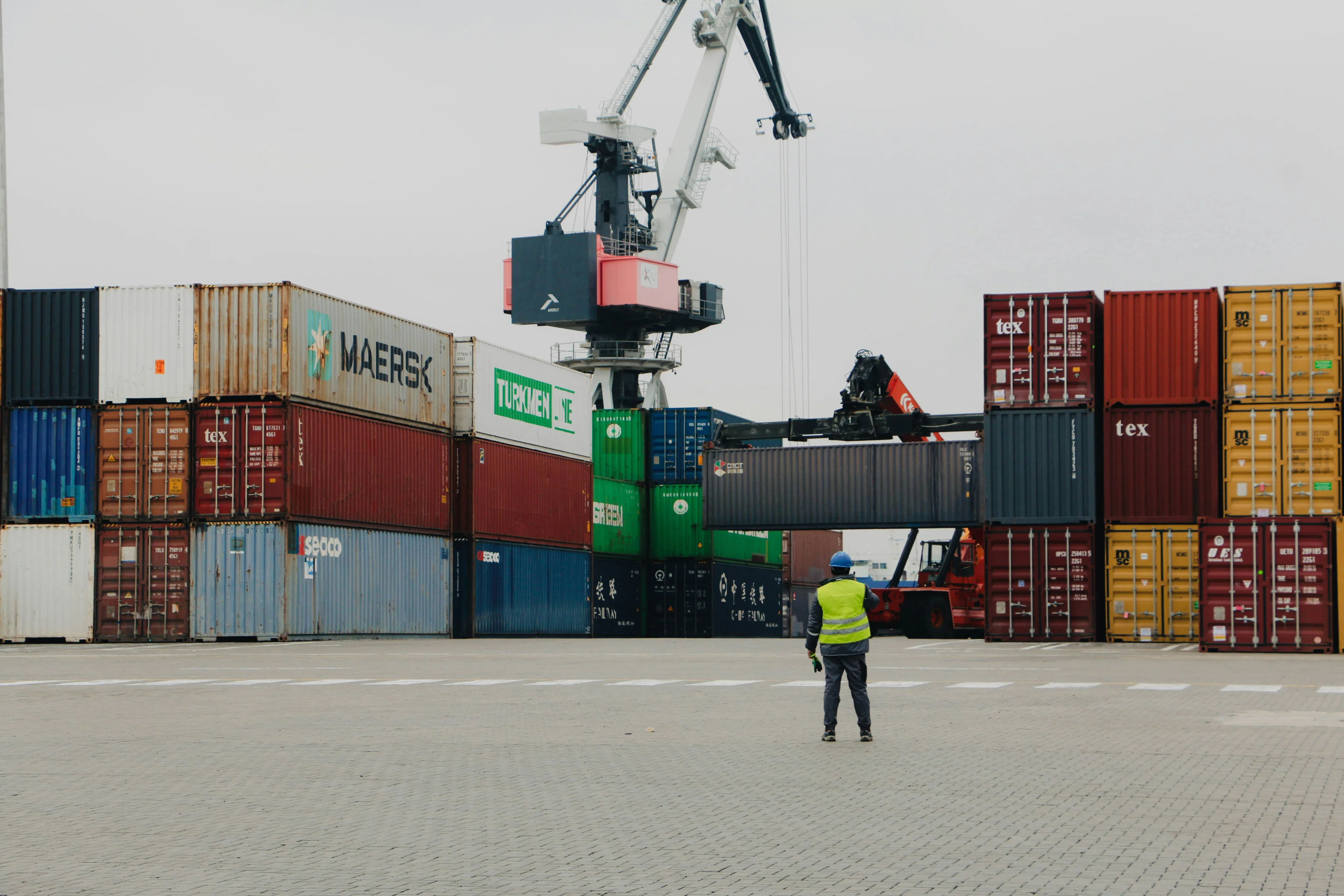
Cargo inspection and customs clearance documentation

Customs Clearing

Support for import and export cargo clearance requirements in Kenya, including coordination of relevant customs documentation and procedures.


Service components

  • Import Customs Clearance
  • Export Customs Clearance
  • Customs Documentation Support
  • Cargo Clearance Coordination
  • Import and Export Procedure Assistance
Learn More
Freight containers prepared for international cargo movement

Freight Forwarding

Freight forwarding support for businesses coordinating cargo movements, shipping arrangements, and related logistics requirements.


Service components

  • International Freight Coordination
  • Air Freight Coordination
  • Sea Freight Coordination
  • Import and Export Freight
  • Cargo Movement Planning
Learn More
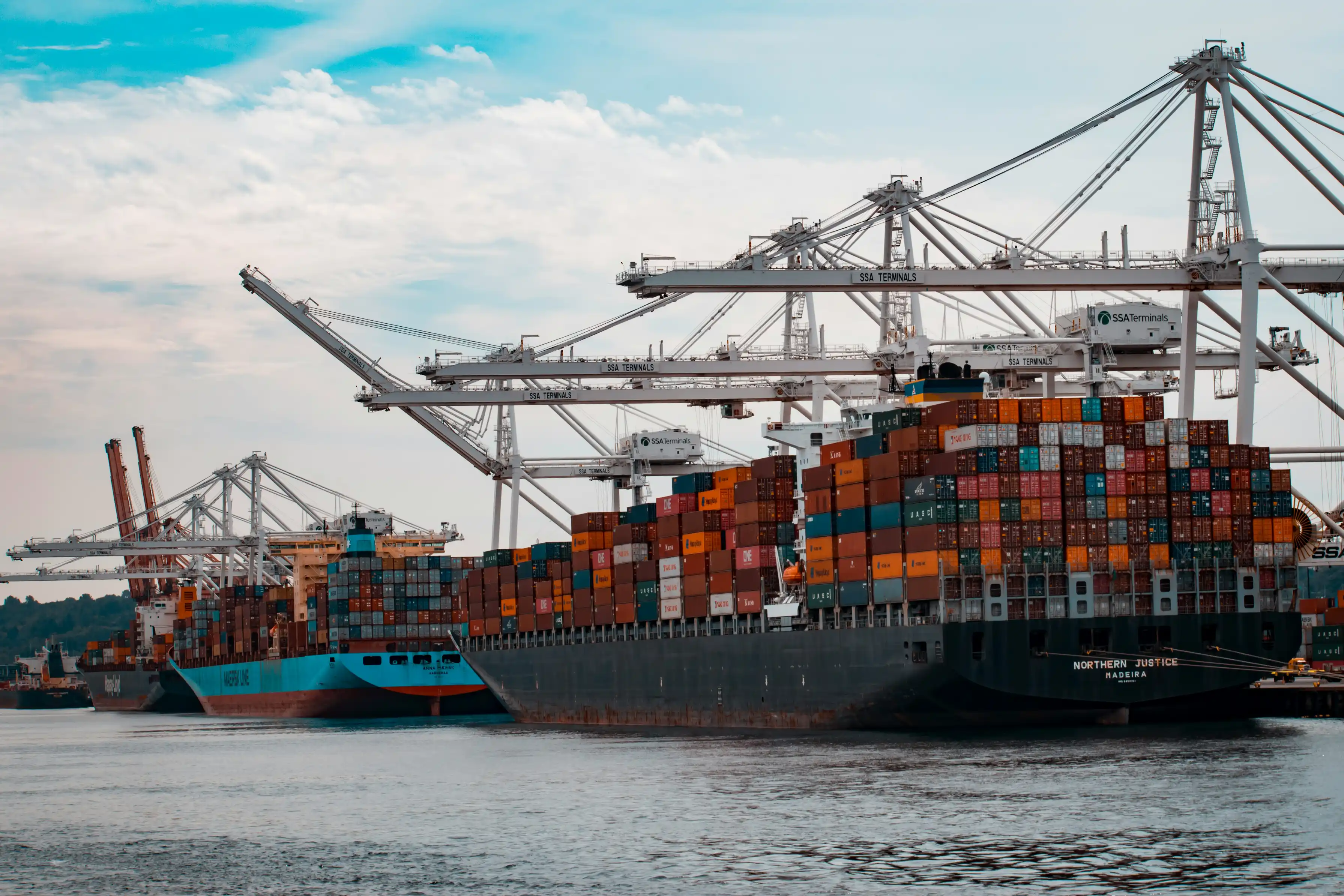
Commercial cargo vessel at a shipping port

Shipping Agency

Shipping agency support focused on coordinating relevant vessel, cargo, documentation, and port-related logistics activities.


Service components

  • Shipping Documentation Coordination
  • Port and Cargo Coordination
  • Vessel-Related Service Coordination
  • Shipping Communication Support
  • Cargo Movement Arrangements
Learn More
Consolidated freight cargo arranged for shared container shipping

Less than Container Load (LCL) Shipping

LCL shipping coordination for cargo shipments that use part of a container rather than requiring an entire container.


Service components

  • Consolidated Cargo
  • Partial Container Shipments
  • Shared Container Space Coordination
  • LCL Shipment Documentation
  • Cargo Delivery Coordination
Learn More
Full freight container ready for cargo transport

Full Container Load (FCL) Shipping

FCL shipping coordination for shipments that require the use of a full container for their cargo requirements.


Service components

  • Full Container Shipment Coordination
  • Container Booking Coordination
  • Import and Export Cargo Planning
  • Container Transport Coordination
  • FCL Shipping Documentation
Learn More
Freight truck transporting cargo along a road

Inland Transportation

Road transportation and inland cargo movement coordination connecting relevant logistics points, destinations, and shipping arrangements.


Service components

  • Inland Cargo Transportation
  • Port-to-Destination Coordination
  • Cargo Collection and Delivery Arrangements
  • Domestic Freight Coordination
  • Transportation Planning
Learn More
Freight truck at a regional cargo transport checkpoint

Cross-Border Logistics

Cross-border freight coordination for businesses managing cargo movements and related logistics requirements between Kenya and regional destinations.


Service components

  • Regional Freight Coordination
  • Cross-Border Transport Planning
  • Border Documentation Support
  • Import and Export Logistics
  • Cargo Movement Coordination
Learn More
Heavy industrial machinery prepared for transport

Heavy Machinery Transport

Transport coordination for heavy machinery and industrial equipment requiring appropriate cargo planning and handling arrangements.


Service components

  • Heavy Equipment Transport Coordination
  • Industrial Machinery Movement
  • Specialized Cargo Planning
  • Loading and Delivery Coordination
  • Oversized Cargo Requirements Assessment
Learn More
Large industrial cargo prepared for a coordinated logistics project

Project Logistics

Coordinated logistics planning for complex cargo movements that require multiple transportation, shipping, or handling arrangements.


Service components

  • Project Cargo Planning
  • Multimodal Transport Coordination
  • Specialized Cargo Movement
  • Shipment Scheduling Coordination
  • Delivery Planning
Learn More
Organized warehouse storage with palletized cargo

Warehousing and Storage

Warehousing and storage logistics support for cargo requiring appropriate storage, handling coordination, and onward movement arrangements.


Service components

  • Cargo Storage Coordination
  • Warehouse Handling Arrangements
  • Inventory Movement Coordination
  • Cargo Dispatch Planning
  • Storage and Distribution Support
Learn More
Logistics professional reviewing shipment status information

Cargo Tracking

Cargo tracking support that helps customers obtain shipment updates and coordinate communication about cargo movement.


Service components

  • Shipment Status Updates
  • Cargo Movement Monitoring
  • Tracking Information Coordination
  • Shipment Communication Support
  • Delivery Progress Updates
Learn More

YOUR LOGISTICS. CONNECTED WITH PURPOSE.

Why Businesses Choose Swiftwins for Their Logistics Needs

Managing imports and exports involves more than moving cargo. Customs documentation, freight arrangements, transport planning, and communication between logistics stakeholders all matter. Swiftwins Carriers and Forwarders LTD helps businesses coordinate customs clearing, freight forwarding, shipping agency requirements, and related logistics services in Kenya according to their cargo needs.

  1. Reliable Coordination You Can Communicate With

    Clear communication helps you understand the information, documentation, and next steps relevant to your shipment. We focus on coordinating customs clearing, freight forwarding, shipping arrangements, and the parties involved in cargo movement so you can discuss requirements and outstanding questions with a logistics service provider.

  2. Logistics Services That Work Together

    From customs clearing, freight forwarding, and shipping agency coordination to LCL and FCL shipping, inland transportation, cross-border logistics, heavy machinery transport, project logistics, warehousing support, and cargo tracking, our service offering covers a range of cargo requirements. Discuss your shipment with us to determine which services and arrangements are appropriate for your needs.

  3. Responsive Support for Time-Sensitive Cargo

    Shipping schedules and cargo requirements can change, making timely communication and preparation important. We prioritize responding to enquiries, clarifying relevant documentation needs, and coordinating next steps so customers can better understand the arrangements and options relevant to their shipments.

  4. Connected to Regional and International Trade

    Kenya's cargo networks connect the Port of Mombasa and inland markets such as Nairobi with regional trade corridors and international shipping routes. The Northern Corridor serves inland markets including Uganda, Rwanda, South Sudan, and the Democratic Republic of the Congo, while the Central Corridor connects through the Port of Dar es Salaam. Contact us with your cargo origin, destination, and requirements to discuss relevant logistics arrangements.

LOGISTICS FOR THE INDUSTRIES AND MARKETS THAT MOVE YOUR BUSINESS

Industries and Markets We Serve Across Kenya and Beyond

Swiftwins Carriers and Forwarders LTD supports cargo requirements through customs clearing, freight forwarding, shipping agency and related logistics coordination. Each movement needs a plan suited to its cargo, origin, destination, transport mode and applicable customs procedures. The industries and markets below describe relevant logistics contexts, not a claim that Swiftwins operates a facility or a dedicated route in every location.

01 / CARGO REQUIREMENTS

Industries We Serve

Different sectors bring different documentation, handling, packaging, timing and transport-planning considerations. These examples reflect common logistics needs across Kenya's economy and are not claims of specialist certification or prior experience in every sector.

  1. Agricultural supply chains can involve seed, fertiliser, irrigation components, farm machinery, packaging and export-bound produce. Import shipments may require accurate product descriptions, permits where applicable, and coordination of customs entries with the relevant authorities.

    For produce and other time-sensitive cargo, the shipment plan should confirm packaging, handling requirements, collection arrangements and any buyer or regulator documentation before dispatch. Temperature-controlled or other specialist handling should only be arranged where it is available and explicitly agreed.

  2. Manufacturers may import production machinery, spare parts, raw materials, packaging and electrical components, then distribute finished goods within Kenya or to regional buyers. Correct tariff classification, valuation, origin information and commercial invoices help establish the appropriate clearance process.

    Freight forwarding and inland transport coordination can connect international arrivals with factories, distribution points or project sites. Cargo dimensions, weight, unloading access and delivery instructions should be confirmed early.

  3. Construction projects can require steel products, fittings, electrical systems, finishing materials, tools and plant equipment. Cargo planning should account for dimensions, gross weight, packing lists, delivery-site access and the sequence in which materials are needed.

    Where a shipment includes oversized or heavy items, the route, permits, vehicle suitability and unloading method need to be assessed for that specific movement rather than assumed to be standard.

  4. Vehicles, replacement parts, tyres, batteries and workshop equipment have different classification and compliance considerations. Vehicle imports may be subject to age, inspection, conformity, valuation and registration-related requirements, so the applicable rules should be checked before shipment.

    Parts shipments also benefit from precise descriptions, quantities and model references to reduce avoidable clarification during clearance and delivery.

  5. Energy-related cargo can include cables, switchgear, transformers, solar components, generators and project equipment. Planning may need to account for fragile components, lifting points, packing standards, cargo dimensions and delivery-site restrictions.

    For project shipments, documentation, delivery milestones and coordination among suppliers, consignees and transport providers should be confirmed in advance. Any dangerous-goods classification requires specific review and suitable authorised arrangements.

  6. Retail and wholesale supply chains move packaged products, household goods, clothing, store fixtures and general merchandise from overseas suppliers to importers, wholesalers and shops. Shipment consolidation, carton counts, packing lists and clear delivery instructions help align the cargo with receiving and inventory processes.

    LCL may suit eligible consignments that do not require a full container, while FCL may suit larger shipments or cargo that benefits from a dedicated container. The choice depends on volume, cargo compatibility, handling and the full shipment cost.

  7. Medical devices, laboratory items, protective supplies and medicines can be subject to product-specific approvals, import permits, labelling and documentation requirements. Importers should confirm applicable requirements with the Pharmacy and Poisons Board, Kenya Bureau of Standards or other competent authority, as relevant to the product.

    Temperature-sensitive products need validated packaging and a suitable controlled logistics chain. This section does not represent that Swiftwins provides cold-chain or specialised pharmaceutical handling.

  8. Computers, telecommunications equipment, appliances, cables and electronic components may require careful packing, model-level descriptions and checks for applicable standards or import controls. Batteries and equipment containing batteries can trigger additional transport rules depending on their chemistry, configuration and mode of transport.

    Freight and clearance planning should reflect the actual commodity, packaging and route rather than treating all electronics as one category.

  9. Mining and quarrying operations may need pumps, motors, screens, conveyor parts, drilling equipment and maintenance supplies. Such cargo can be heavy, awkwardly shaped or destined for sites beyond major urban centres, making dimensions, axle loads, route suitability and offloading arrangements important.

    Equipment descriptions, serial or model references, packing details and any controlled-item requirements should be reviewed before the shipment is booked.

  10. Industrial supply chains can involve valves, pipes, fittings, pumps, maintenance parts and project materials. Products that are chemicals, pressurised, flammable or otherwise regulated need commodity-specific classification and must only move under the applicable safety, packaging and carrier requirements.

    Clear technical descriptions and safety documentation, where applicable, help determine the right customs and transport process. No dangerous-goods service should be assumed without explicit confirmation.

  11. Network rollouts and maintenance can require antennas, fibre-optic cable, routers, cabinets, power systems and replacement components. Project schedules, itemised packing lists, serialised equipment records and delivery-site access can be central to planning.

    Where equipment is intended for installation, importers should confirm any relevant standards, licensing or regulatory requirements before dispatch.

  12. Industrial plants, construction machinery and large project components may require tailored lifting, loading, route surveys, permits and coordination between suppliers, carriers and receiving sites. Cargo dimensions and weight should be verified against the equipment and route proposed for the specific movement.

    Project logistics often depends on sequencing and documentation as much as transport itself. Availability of specialist vehicles, lifting equipment, escorts or permits must be confirmed for each job rather than assumed.

These are examples of relevant cargo sectors. And many more industries may have logistics requirements that can be discussed against the actual shipment details.

Explore our logistics services

02 / GEOGRAPHIC CONTEXT

Areas We Serve

Kenya's port, inland distribution centres and cross-border corridors connect local businesses with regional and global markets. The locations below are relevant commercial and trade markets; their inclusion does not confirm a Swiftwins office, permanent facility or guaranteed route in each place.

A

Local Coverage — Kenya

Priority counties and inland distribution markets

  1. Nairobi is Kenya's principal commercial centre and an important inland node for distribution, manufacturing, importers and onward road or rail cargo coordination. The Kenya National Bureau of Statistics' Gross County Product reporting identifies Nairobi as the largest county economy by contribution to national gross value added.

    Shipments moving to or from Nairobi may need coordination between port or airport arrival, customs release, inland transport and the consignee's receiving schedule.

  2. Mombasa is home to Kenya's principal seaport and a major maritime gateway for domestic cargo and transit trade serving inland East African markets. Port-related logistics can involve shipping documentation, customs processing, cargo release, terminal or depot coordination and onward inland movement.

    Arrival notices, shipping documents, clearance status, container arrangements and delivery instructions should be checked against the actual shipment and port procedures.

  3. Kiambu forms part of the wider Nairobi metropolitan economic area and has substantial residential, commercial, agricultural and industrial activity. Its proximity to Nairobi makes it relevant to supplier deliveries, business distribution and cargo moving between metropolitan markets and the national transport network.

    Delivery planning should confirm the precise site, access restrictions, offloading needs and receiving hours.

  4. Machakos is linked to the eastern side of the Nairobi metropolitan region and to road connections serving industrial, distribution and settlement areas. Cargo for the county may include construction supplies, consumer goods, machinery and production inputs.

    Actual routing depends on the origin, delivery point, cargo dimensions, road conditions and vehicle access requirements.

  5. Kajiado borders the Nairobi metropolitan area and includes southern road connections toward the Tanzania border. It is relevant to cargo serving local commerce, construction, agriculture and businesses positioned along southern transport links.

    For cross-border or remote-site movements, confirm the border point, customs requirements, road suitability and final-mile delivery arrangements before dispatch.

  6. Kisumu is a major commercial centre in western Kenya and a regional distribution point serving businesses around Lake Victoria and neighbouring counties. Road links connect it with other Kenyan markets and the wider Northern Corridor network; lake transport has a separate regional role where suitable services are available.

    Shipment plans should specify the final destination and confirm whether road, rail, lake or a combination is practical for the cargo concerned.

  7. Nakuru is a significant inland county along Kenya's western transport axis and supports agriculture, manufacturing, commerce and distribution. It can be relevant to cargo moving between Nairobi, the Rift Valley and western or regional destinations.

    Transport mode, loading requirements, route conditions and the consignee's location should guide the delivery plan.

These are priority county markets, not a list of offices. And many more locations across Kenya may be considered according to shipment details and confirmed arrangements.

B

Regional Markets — Africa

Cross-border trade and inland transit connections

  1. Uganda is a landlocked market with established cargo links to Kenya through the Northern Corridor, including road and rail infrastructure connected to the Port of Mombasa. Shipments can include imports for Ugandan consignees, exports, and transit cargo moving onward through regional networks.

    Transit documentation, customs seals or guarantees where applicable, border processing, axle-load rules and destination-country requirements must be checked for each consignment.

  2. Tanzania is both a neighbouring trading market and the location of the Port of Dar es Salaam, which anchors the Central Corridor. That corridor connects Tanzania with inland markets including Rwanda, Burundi, Uganda, the Democratic Republic of the Congo and other participating states; it is a distinct network from the Northern Corridor.

    For Kenya–Tanzania road freight, confirm the suitable border crossing, customs procedure, carrier arrangements and whether the route through either country's port or inland network fits the shipment.

  3. The DRC is connected to East African transit systems through more than one regional corridor. The Northern Corridor links the Port of Mombasa with Great Lakes markets, while the Central Corridor's official member framework includes the DRC and uses the Port of Dar es Salaam as a maritime gateway.

    Which network is relevant depends on the province or city of destination, border arrangements, cargo type and available carrier services. A specific DRC route should never be assumed from the country name alone.

  4. Ethiopia is a neighbouring regional market with road connections to Kenya through the northern border area, including the Moyale crossing. Cargo movements may serve bilateral trade and commercial distribution between the two countries.

    Before planning a shipment, verify the current border and customs process, transit eligibility, required documents, security or access constraints and carrier availability for the specific origin and destination.

Regional routes depend on the actual origin, destination and border process. And many more African markets may be relevant through suitable, confirmed transport arrangements.

C

International Trade Markets

Global sourcing, exports and cargo coordination

  1. China is a significant source market for Kenyan imports, including manufactured merchandise, machinery, electrical equipment and industrial supplies. KNBS's 2025 Economic Survey highlights China among Kenya's key import partners in 2024.

    International shipments require the right commercial invoice, packing list, transport document, tariff classification and any applicable standards or permits. Sea or air freight suitability depends on urgency, dimensions, value and cargo restrictions.

  2. Japan is a relevant trading partner for manufactured goods and equipment, including vehicles, machinery and electrical products. KNBS lists Japan among Kenya's key trading partner countries in its 2025 Economic Survey presentation of 2024 trade.

    For vehicle, machinery or parts shipments, confirm product identity, condition, valuation, conformity requirements and any product-specific import controls before arranging transport.

  3. The EU is a trading bloc rather than a single country and is relevant to Kenya's import and export supply chains. Goods may include machinery, manufactured products, specialised equipment and selected agricultural exports, depending on the member state and product category.

    EU-bound or EU-origin cargo must be assessed against the rules of the specific country and commodity, including origin evidence, product standards, customs classification and any export or import controls. Trade terms and documentation should be agreed with the buyer or supplier.

  4. The UAE is an important trade and distribution market for Kenya and a source of imports. KNBS's 2025 Economic Survey identifies the UAE among Kenya's key import partners for 2024. Depending on the supplier and commodity, shipments may move through maritime or air cargo networks, including regional re-export arrangements.

    Confirm the true country of origin, supplier location, shipping point and final destination; a re-export hub is not necessarily the place where goods were manufactured.

  5. Saudi Arabia is a relevant trading partner in Kenya's wider import and export environment; KNBS includes it among the key partner countries in its 2025 Economic Survey presentation of 2024 trade. The product mix and logistics requirements vary by shipment and should be verified against current trade data.

    Before shipping, confirm commodity classification, any chemical or controlled-goods requirements, origin documentation, applicable permits and the carrier's acceptance conditions for the intended route and transport mode.

International routes vary by supplier, product and transport mode. And many more global trade markets may be considered once the shipment details and route arrangements are confirmed.

REGIONAL CONNECTIVITY

Choose the corridor for the shipment, not just the country

The Northern Corridor links the Port of Mombasa with inland Great Lakes markets through road, rail and related transport infrastructure. The Central Corridor is a separate multimodal network centred on the Port of Dar es Salaam and connects Tanzania with participating inland markets. Neither route is automatically suitable for every destination or consignment.

Origin, final destination, commodity, customs procedure, border processing, carrier availability and delivery requirements should determine the route. Swiftwins can assess enquiries against the services and arrangements confirmed for the individual shipment.

Explore our service coverage

Helpful answers for your shipping and logistics questions

Frequently Asked Questions About Logistics Services in Kenya

Find practical guidance on customs clearing, freight forwarding, shipping, transportation, storage, tracking and related arrangements. Review the answers, then contact Swiftwins with your shipment details for guidance specific to your cargo.

Customs clearing is the process of declaring imported or exported goods to the relevant customs authority and meeting applicable documentation, valuation, duty, tax and regulatory requirements before release or export. A clearing agent may prepare declarations, coordinate documents and communicate with authorities, but KRA and other regulators make their own decisions. The steps depend on the goods and customs procedure. Share the cargo description, origin, destination and available documents so the applicable process can be checked.

Documents depend on the goods, transaction, origin, destination and applicable controls. Common examples include a commercial invoice, packing list, bill of lading or air waybill, customs declaration, permits where required, and conformity documents for regulated goods. KRA has announced a Certificate of Origin requirement for imported consignments, subject to specified exceptions, and from 1 September 2026 asks importers to obtain and retain export-side documentation from the country of export. Confirm the current list for your shipment before dispatch.

There is no single clearance time that applies to every shipment. Timing can depend on complete documents, customs processing, cargo examination, valuation or classification queries, payments, product standards checks, permits and approvals from other agencies. Port, carrier or border processes can also affect release. A logistics provider can help identify likely steps and follow up on outstanding items, but cannot guarantee a regulatory decision or completion time. Provide the cargo type, entry point and document status for a more useful estimate.

Applicable import charges depend on factors including tariff classification, customs value, country of origin, product characteristics and current laws and schedules. Other fees, levies, excise or product-specific charges may apply depending on the goods and transaction. Avoid relying on a generic percentage or another shipment’s assessment. KRA’s current rules and the relevant tariff classification should be checked against the actual documents and cargo description before budgeting. The final assessment rests with the authorities.

Customs clearing focuses on customs declarations, supporting documents, applicable payments and regulatory release procedures. Freight forwarding is broader coordination of cargo movement, which may include booking transport, arranging consolidation, coordinating shipping documents and communicating with carriers and other providers. One provider may offer both services, but responsibilities depend on the agreed scope and licensing requirements. Ask for a clear breakdown of what is included and which third-party charges remain separate.

A freight forwarder helps coordinate cargo movement between an origin and destination. Depending on the agreed service, this may involve arranging sea, air or road transport with carriers, coordinating shipment documents, managing consolidation, sharing status updates and connecting the parties involved in delivery and clearance. A forwarder does not necessarily own the vessel, aircraft or truck used. Provide cargo details, origin, destination, preferred dates and whether customs clearance or final delivery is also needed.

The appropriate support depends on the shipment direction, origin, destination, cargo and service required. Contact Swiftwins to confirm whether the specific import or export movement can be handled and what the agreed scope includes. Useful starting details are the country of origin or destination, a description of the goods, approximate weight and dimensions, expected readiness date and documents available. Do not assume a route or specialist service is confirmed until the details have been reviewed.

Less than Container Load (LCL) generally means your cargo shares container space with other consignments. Full Container Load (FCL) generally means a full container is booked for one shipment, even if it is not packed to maximum capacity. The right option depends on cargo volume, dimensions, handling needs, origin and destination charges, consolidation schedules and delivery arrangements. Compare the complete service cost rather than choosing only by the ocean-freight line item.

Prepare a cargo description, quantity, weight, dimensions or volume, collection point, final destination, preferred shipment date and whether the movement is an import, export or domestic delivery. Share the transport mode if known, packing details, special handling or storage needs, and available invoices, packing lists or transport documents. For regulated goods, mention known permits or conformity requirements. Additional details may be needed before confirming availability, service scope, third-party charges and a reliable quotation.

Contact Swiftwins Carriers and Forwarders LTD by telephone on +254 722 414 716 or email info@swiftwinscarriersandforwarders.co.ke. WhatsApp is also available on +254 722 414 716. Include the cargo description, origin, destination, approximate weight and dimensions, expected shipment date, whether it is an import, export or domestic movement, and available documents. A quotation or next step may depend on reviewing the shipment details.

LCL shipping combines smaller consignments from different customers in shared container space. It may suit cargo that does not need a full container, provided the goods can be consolidated safely and the route supports the arrangement. Consider consolidation and deconsolidation handling, cargo compatibility, documentation, destination charges and final delivery, as these affect total cost and schedule. Send cargo dimensions, weight, packing details and route so the arrangement can be assessed.

Depending on the route and service scope, an LCL shipment may involve origin handling, consolidation, freight, documentation, terminal or destination handling, deconsolidation, customs-related charges, duties and taxes, storage if applicable, and inland delivery. Not every charge applies to every shipment, and quotations may include different items. Ask whether the price is port-to-port or door-to-door and clarify exclusions, free-time terms and possible third-party charges before comparing quotations.

FCL may be appropriate when your cargo volume, handling needs or shipment plan makes a full-container arrangement practical. It can offer more control over loading and container use, but it is not automatically cheaper or faster than LCL. Consider container size, cargo dimensions and weight, loading access, route, carrier schedule, destination charges and delivery plan. Share accurate measurements and cargo details before selecting a container or comparing complete costs.

Container selection depends on the cargo’s length, width, height, weight, volume, loading method, compatibility and handling or environmental requirements. Heavy or unusually shaped cargo may need specialist assessment rather than a standard-container assumption. Provide packing dimensions, gross weight, number of packages, photographs or drawings where useful, and how the cargo will be loaded and unloaded. Confirm the suitable option and availability with the carrier or service provider before booking.

Inland transportation can mean collection from a supplier, movement between a port and warehouse, transfer between facilities, or delivery to a final destination within Kenya. The exact service depends on locations, cargo, vehicle requirements and provider availability. Do not assume collection, loading, unloading, storage or final-mile delivery is included in a quote. Give Swiftwins the pickup and delivery locations, cargo measurements and site-access restrictions so the scope can be confirmed.

Domestic transport costs can be affected by distance, cargo weight and dimensions, vehicle type, loading and unloading, site accessibility, route conditions, waiting time, timing and special handling or permit needs. Oversized or heavy loads may require route checks or approvals. State exact collection and delivery locations, cargo details, loading arrangements and target dates. Rates and delivery expectations should be confirmed for the specific movement rather than assumed from distance alone.

Cross-border transport may require customs declarations, commercial and transport documents, transit procedures, cargo security arrangements, permits or product approvals depending on the goods and country pair. East African Community customs arrangements and the Single Customs Territory can support trade facilitation, but they do not remove every national requirement. Confirm the route, customs procedure and each provider’s responsibilities in advance. Share the origin, destination, goods description and available documents for a shipment-specific check.

Depending on cargo and route, documents may include a commercial invoice, packing list, transport document, customs import or export declaration, proof of origin, transit documentation and permits or certificates required for regulated goods. The precise list varies by country pair, customs procedure, transport mode and product rules. Confirm requirements with the relevant customs and regulatory authorities before the cargo moves, and ensure the documents consistently describe the goods, quantities, values and parties.

Kenya connects to regional markets through established trade corridors, including the Northern Corridor linked to the Port of Mombasa. Corridor infrastructure does not itself confirm that a provider offers a particular route or service. Contact Swiftwins to confirm the requested destination, cargo type and scope. Include origin, destination, cargo dimensions and weight, shipment readiness date, and whether you need customs coordination, transport only, or delivery to a specific site.

Heavy machinery transport requires accurate dimensions and weight, centre-of-gravity and load-distribution information, suitable loading and unloading arrangements, equipment compatibility, route clearance and site access checks. The plan may also need lifting arrangements, escort coordination or regulatory approvals, depending on the load and route. Do not assume specialist trailers, cranes, permits or handling equipment are available without confirmation. Provide manufacturer data, drawings or photographs, loading points, delivery-site details and known restrictions for assessment.

A special permit or other arrangement may be required when a load or vehicle exceeds applicable dimensions, axle-load limits or road restrictions. The answer depends on vehicle configuration, loaded measurements, route and current rules. KeNHA provides guidance and application information for abnormal or wide-load permits on relevant roads; other authorities may also have jurisdiction. Have loaded dimensions, gross and axle weights, vehicle details and proposed route checked before transport is booked.

Project logistics coordinates cargo movements that need more detailed planning than a routine shipment. It may involve multiple consignments, delivery sequencing, site access checks, specialized transport or lifting arrangements, route planning, permits and coordination among contractors. Ordinary freight forwarding can also involve complex movements, but project logistics typically requires a shipment-specific plan tied to the project schedule and site constraints. Confirm Swiftwins’ exact capabilities and scope before assuming specialist equipment or services are included.

Start with a cargo register showing descriptions, quantities, packed dimensions, gross weights, lifting points and handling restrictions. Confirm origin and destination addresses, site access, delivery sequence, loading and unloading resources, route limitations, permit needs, storage requirements and cargo-ready dates. Drawings, photographs and site information can help identify constraints early. Finalize the transport plan and quotation only after the cargo, route and responsibilities of the involved providers have been assessed.

Warehousing can provide temporary holding, consolidation, staging or distribution before cargo moves to its next destination, where a suitable facility and service are available. Storage availability, accepted cargo types, handling services, security arrangements, environmental conditions and charges vary by provider and facility. This FAQ does not confirm a specific Swiftwins warehouse location or capacity. Contact the company with goods description, quantity, dimensions, storage period and special conditions to confirm availability.

Provide the type of goods, number of packages, dimensions, gross weight, expected arrival date, intended storage period and planned delivery schedule. Explain requirements such as pallet handling, restricted access, temperature control, hazardous-goods controls or special loading equipment; these must be checked rather than assumed. Also state whether the goods need consolidation, inventory handling or onward transport. The provider can then confirm facility suitability, availability, handling scope and charges.

Shipment visibility depends on the carrier, transport mode, shipment reference and tracking information available at the current stage. If you have a booking number, bill of lading, air waybill or other reference, share it with your Swiftwins contact along with the origin and destination. This page does not claim that Swiftwins has a public live-tracking portal or that every carrier provides real-time updates. Ask what status information is available for your shipment.

Check that the shipment reference and latest available status are correct, then contact the logistics provider with the reference, last update and destination. Ask whether the cargo is awaiting documents, customs processing, inspection, payment, a carrier update, a border procedure or another step; the cause should be confirmed rather than guessed. Keep relevant notices and correspondence, and ask what information or action is outstanding. Resolution time depends on the cause and parties involved.

A shipping agent generally coordinates defined activities on behalf of a shipowner, carrier or other shipping principal. Depending on the appointment, duties may include communication, documentation, port-call coordination and arranging services with relevant parties. A shipping agent is not the same as a customs authority, carrier or freight forwarder, although responsibilities can overlap under a specific contract. Confirm which agency activities Swiftwins provides and who is responsible for each document, fee and operational decision.

Depending on the agreed appointment, a shipping agent may coordinate communications and documentation among a carrier, customer, port-related service providers and other parties involved in a vessel or cargo movement. Port operations and release procedures remain subject to the relevant authority’s rules and providers. The Port of Mombasa is an important Kenyan maritime gateway, but Swiftwins’ exact role in a particular port call or cargo movement must be confirmed. Share the vessel or shipment reference, cargo details and requested scope.

Prepare: (1) a description of the goods; (2) origin and final destination; (3) quantity, gross weight and dimensions; (4) whether the request is for import, export or domestic transport; (5) expected cargo-ready or shipment date; (6) available invoices, packing lists and transport documents; and (7) storage, delivery, lifting or special-handling requirements. Mention known permits or regulatory concerns. Contact +254 722 414 716 or info@swiftwinscarriersandforwarders.co.ke to discuss the shipment and confirm next steps.

This page provides general guidance, not a customs ruling or legal advice. Requirements can change and vary by cargo, origin, destination and procedure. Confirm shipment-specific obligations with the relevant authorities and qualified providers.

Official references for customs and transport guidance

LET'S DISCUSS YOUR LOGISTICS REQUIREMENTS

Let's Talk About Your Cargo and Logistics Needs

Tell Swiftwins what you need to move, where it is going, and which service you are enquiring about. Share as much shipment detail as you have available so the team can better understand your requirements.

Required fields

Your enquiry helps us understand your logistics requirements so we can provide relevant information. Please share only details needed to assess your shipment.

FIND SWIFTWINS

Find Swiftwins Carriers and Forwarders in Kenya

Visit our business location or contact Swiftwins for customs clearing, freight forwarding, shipping agency, and logistics enquiries.

BUSINESS LOCATION

Swiftwins Carriers and Forwarders LTD

Kenya Located in Ruai Nairobi

Visit Us during any Operational Hours We have ample parking space.

GET DIRECTIONS

Loading business map

The interactive Google Map will appear here.

Loading Google Maps.